
Uneven ground and poor drainage make it hard to build, park equipment, or keep water away from structures in North Georgia. Grading reshapes the land to create level surfaces, direct water flow, and establish stable building pads, while excavation digs into the soil to prepare for foundations, driveways, or utility installation. Both services adjust the natural contour of your property so it functions the way your project requires.
Tines & Timber Development and Land Management provides grading and excavation throughout North Georgia and nearby areas, working on residential lots, driveways, and rural building sites. North Georgia soil includes clay, rock, and varying elevation, which means grading must account for drainage and long-term stability. Experienced operators adjust slope, remove high spots, and fill low areas to prevent erosion and pooling water, especially after heavy rain.
Get in touch to schedule grading and excavation for your property in North Georgia.
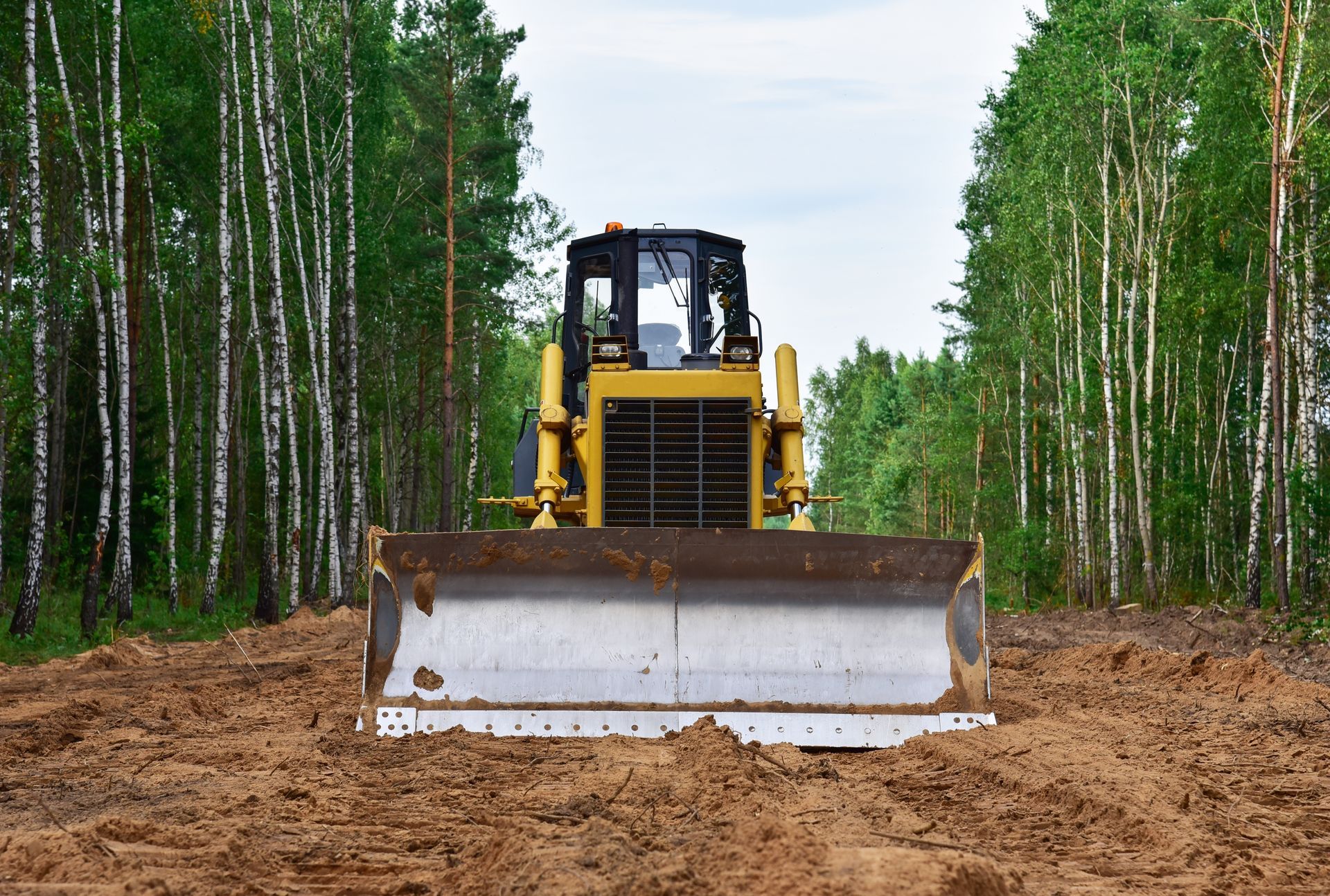
What Proper Grading Looks Like on the Ground
When you schedule grading in North Georgia, a dozer or grader moves soil across the site to match the elevation plan, removing bumps and filling depressions. Excavation involves digging trenches, building pads, or removing material to reach the depth needed for footings or drainage lines. The equipment compacts soil as it works, which reduces settling over time and creates a firm surface for the next phase of construction.
After grading, you will notice water moves away from buildings and driveways instead of pooling in low spots. The ground feels solid when you walk across it, and you can see clear slope direction. If excavation was part of the project, trenches will be cut to the correct depth and width, and soil will be piled nearby or hauled off depending on your needs.
This work pairs well with land clearing and site preparation, and it supports planning for septic systems, retaining walls, and access roads. Grading does not include paving, foundation pouring, or utility hookups, but it prepares the land so those contractors can begin without delays. The final grade depends on your project specifications, local codes, and natural drainage patterns observed during site assessment.
Homeowners and builders often want to know how grading affects timelines and costs, so these answers address the practical considerations that come up before work begins.
Grading and excavation prepare your property for building, improve drainage, and address the elevation challenges common across North Georgia. Tines & Timber Development and Land Management handles projects of all sizes with equipment suited to North Georgia terrain. Call (770) 733-8192 to discuss your site preparation needs.